Category

Business

Category

Florida’s growing population brings growing demand for behavioral care. Acadia Healthcare and Orlando Health are answering part of that need with a new hospital planned for the region.

Acadia Healthcare is the largest stand-alone behavioral health company in the country, and it’s chaired by Reeve Waud, who founded Waud Capital Partners. The Orlando Health project is one piece of a wider expansion push.

A 144-Bed Facility

The joint venture calls for a 144-bed hospital, part of Acadia’s 2026 pipeline. A facility that size can serve a large number of patients once it reaches full operation.

Behavioral hospitals of 144 beds have become something of a template for Acadia. The size is big enough to matter for a region yet still manageable to staff and run well, which helps a new site find its footing. It also leaves room to add services over time as the community’s needs become clearer. Behavioral care rarely stands still, and a flexible design lets the hospital adapt.

Meeting Regional Demand

Central Florida has added residents quickly, and behavioral care hasn’t always kept pace. A new inpatient hospital gives the area more room to treat patients who might otherwise wait or travel far for help.

Partnering with Orlando Health gives the project local roots. The health system already serves the community and carries a trusted name, and that helps patients and referring doctors feel confident in the new facility. Shorter travel times can be the difference between a patient getting timely care and going without. A growing population tends to bring rising demand for behavioral services, and the new hospital is built to absorb it.

Part of a Pattern

The Orlando venture isn’t a one-off. It sits alongside partnerships in Boston, Iowa, and elsewhere, all built on the same joint-venture blueprint.

That repeatable model is what lets Acadia Healthcare expand on several fronts at once. For Reeve Waud, who’s spent a career backing scalable approaches, the Florida project is another example of a formula that keeps working across very different markets. Repeat success also makes the next partner easier to sign, since health systems can point to hospitals already up and running.

Every growing business needs reliable payment support. The right provider creates smooth customer experiences. Payment systems should remain fast and secure. However every provider offers different services. The best choice depends on business needs. Careful research prevents future payment issues. Smart decisions also reduce financial risks. The high volume merchant account processing becomes important when daily transactions continue growing across different sales channels.

Understand Business Processing Requirements

Every business accepts payments differently. Some businesses process larger amounts daily. Others manage seasonal transaction spikes. Therefore payment capacity deserves careful attention. Flexible services improve long term stability. Reliable providers support changing business goals. Payment approval rates should remain consistently high. Hidden restrictions may create future problems. Businesses should review service agreements carefully before making important decisions.

The right provider understands industry challenges. Risk management should remain practical. Strong technical support builds confidence. AVPS offers solutions designed for businesses handling demanding transaction volumes while maintaining dependable payment performance. Good communication also creates stronger partnerships. That approach supports better operational growth.

Evaluate Security Standards Carefully

Payment security protects every transaction. Customer trust depends on safe systems. Therefore security features deserve close evaluation. Strong encryption reduces possible threats. Fraud monitoring improves payment safety. Compliance standards protect sensitive information. Businesses should never ignore these requirements. Secure processing creates lasting customer confidence.

Reliable providers update security practices regularly. Modern technology improves protection continuously. Strong authentication prevents unauthorized activity. The payment platform should remain stable during busy periods. Businesses benefit from dependable security without sacrificing transaction speed. Better protection also strengthens brand reputation over time.

Compare Support and Service Quality

Customer support matters every day. Problems require immediate responses. Therefore experienced support teams provide real value. Quick communication prevents unnecessary delays. Helpful guidance improves business confidence. Payment interruptions should receive prompt attention. Reliable assistance supports daily operations effectively.

Many businesses appreciate dedicated account management. Personal support improves issue resolution. AVPS understands the importance of responsive customer service while helping businesses maintain consistent payment operations through changing business conditions. Strong relationships also encourage long term success. Better service creates lasting business confidence.

Consider Future Growth and Technology

Innovation creates competitive advantages. Businesses should choose experienced partners. AVPS provides payment solutions that support growing organizations while adapting to changing business demands with dependable technology. Long term partnerships encourage steady progress. Smart planning strengthens future success. The right provider helps businesses grow with greater confidence and lasting stability.

FAQs

What makes a provider suitable for large businesses?

Reliable capacity secure systems and responsive support.

Why does security matter greatly?

Secure payments protect customer information and trust.

Should pricing always remain transparent?

Yes because clear costs improve financial planning.

Can flexible contracts help growth?

Yes flexible agreements support changing business needs.

Why is customer support important?

Fast assistance reduces delays and improves operations.

Expanding your business into Norway can be an excellent opportunity, but hiring employees comes with important legal responsibilities. Norwegian employment laws are designed to ensure fairness and transparency, which means employers must pay close attention to payroll compliance from day one. Understanding the basics early can help you avoid unnecessary complications and build a positive relationship with your workforce.

Managing payroll in Norway involves much more than paying salaries on time. Employers must calculate taxes correctly, make social security contributions, and also submit monthly payroll information through Norway’s A-melding reporting system within the required deadlines.

For businesses looking to simplify the process, Arctic Accounting & Advisory offers reliable support. Based in Oslo, the firm provides professional accounting, payroll, tax, and advisory services to both local and international businesses, helping clients remain compliant while reducing administrative pressure.

What Does Payroll Compliance Cover?

Payroll compliance refers to the legal responsibilities employers must meet when paying their employees. Every payroll cycle should be accurate, properly documented, and completed according to Norwegian regulations. Even a small mistake in tax calculations or reporting can create unnecessary delays, financial penalties, or additional administrative work.

Employers are also responsible for keeping payroll records up to date and ensuring employees receive clear information about their earnings and deductions. A well-organised payroll system makes these tasks much easier.

Key Employer Responsibilities

Businesses employing staff in Norway should ensure they complete the following tasks:

  • Register employees with the appropriate authorities.
  • Deduct the correct amount of income tax.
  • Pay employer social security contributions.
  • Issue accurate and timely payslips.
  • Submit payroll reports within the required deadlines.
  • Maintain payroll records for future reference.

Following these steps consistently helps businesses stay compliant and reduces the risk of unexpected issues.

Why Payroll Accuracy Is Important

Article image

Payroll is one of the most visible parts of the responsibilities of an employer. Employees expect to be paid accurately and on time, and mistakes can quickly affect trust and workplace morale. From a business perspective, accurate payroll also improves financial reporting and reduces the likelihood of compliance-related penalties.

Some of the key benefits include:

  • Lower risk of fines and reporting errors.
  • Greater employee confidence and satisfaction.
  • Better financial planning and record-keeping.
  • More time to focus on business growth.

Investing in a reliable payroll process today can prevent expensive problems in the future.

Final Thoughts

Payroll compliance in Norway is about accuracy, consistency, and meeting legal obligations throughout the employment relationship. While the regulations may seem detailed at first, having the right systems and professional guidance makes the process much more manageable.

Whether you are hiring your first employee or expanding an existing team, staying compliant should remain a priority. Arctic Accounting & Advisory helps businesses manage payroll obligations with confidence by providing practical guidance, accurate processing, and ongoing compliance support.

Their experienced team simplifies complex Norwegian payroll requirements, allowing employers to focus on running and growing their business. With payroll handled correctly, employers can focus on growing their business while employees enjoy the confidence that comes from being paid accurately and on time.

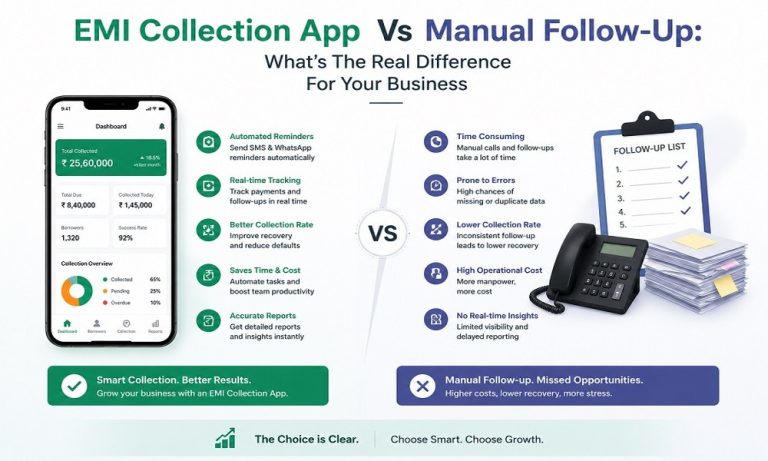
Running a business that offers EMI-based sales in India means you are also running a collections operation. And how well you manage that side has a direct impact on your cash flow, your team’s bandwidth, and your customer relationships. For years, manual follow-up was the only option. Today, the EMI collection app has changed that — and the difference between the two is larger than most business owners expect.

What Manual Follow-Up Actually Looks Like

Manual follow-up sounds straightforward, but in practice it is exhausting. Your team is making calls, sending WhatsApp messages, maintaining Excel sheets, and chasing customers who either do not pick up or promise to pay “by evening” — every day.

The problems compound quickly. There is no centralised record of who was contacted, when, and what was said. Follow-up depends entirely on individual team members, which means when someone is on leave, collections slip. And scaling this process as your business grows means hiring more people — at a higher cost with no guarantee of better results.

In India’s retail and lending ecosystem, where EMI portfolios can run into hundreds of active accounts, manual follow-up simply was not built for this volume.

What an EMI Collection App Brings to the Table

An EMI collection app centralises and automates the entire follow-up process. Instead of relying on a team member to remember who needs a reminder today, the app handles it on its own, sending payment nudges via SMS, WhatsApp, or in-app notifications based on due dates and account status.

But reminders are only half the story. A well-built EMI collection app can remove the need for follow-up entirely on a sizable chunk of your portfolio. This is where UPI Autopay and eNACH come in. At the time of onboarding, the customer authorises an automatic payment mandate. On the due date, the amount is pulled directly from their bank account. No reminder goes out. Nobody picks up the phone. Nothing needs to happen on your team’s side at all. For businesses sitting on a large active EMI book, this is usually where the biggest operational savings come from.

Every interaction is logged. Every payment is tracked in real time. The moment a customer pays, the record updates on its own, with no manual entry and no confusion. For business owners, this means a live view of the entire portfolio at any given moment.

A well-built EMI collection app also segments accounts by risk, which lets your team focus energy where it is actually needed rather than calling everyone with the same urgency.

The Numbers Behind the Difference

The gap between an EMI collection app and manual follow-up becomes very clear when you look at cost and recovery rates. Manual follow-up typically costs ₹35–₹80 per customer contact once you factor in agent time and overhead. An EMI collection app brings that figure down to ₹4–₹12 per contact.

Recovery rates follow the same pattern. Businesses on manual follow-up tend to see early-bucket recovery rates of 55–65%. Those using an EMI collection app consistently report 72–88%. That gap, across hundreds of accounts, is a significant difference in monthly revenue recovered.

Where Manual Follow-Up Still Has a Role

An EMI collection app handles volume efficiently but cannot replace human judgment in every case. High-value defaults, customers facing genuine financial hardship, or accounts that need restructuring — these still benefit from a personal conversation.

The most effective businesses are not replacing their teams entirely. They are using the app for routine follow-up at scale and freeing their people to focus on accounts that genuinely need attention.

Conclusion

The difference between an EMI collection app and manual follow-up is not just operational — it is financial. Lower cost per contact, higher recovery rates, real-time visibility, and the ability to scale without adding headcount make the app the stronger choice for any business managing an active EMI portfolio. Manual follow-up had its time. For businesses serious about collections efficiency in today’s market, adopting an EMI collection app is no longer optional — it is essential.

There is no mention of UPI AutoPay and eNach, which is our core offering of new age emi collection apps, not just a reminder, so I think we should mention that also.

You can rephrase below and use it –

“Beyond reminders, a well-integrated EMI collection app can eliminate the need for follow-up entirely on a significant portion of your portfolio. Through UPI Autopay mandates and eNACH, customers authorise automatic payment deductions at the time of onboarding. On the due date, the amount is pulled directly from their account — no reminder sent, no call made, no action required from your team. For businesses with a large active EMI book, this automated collection layer is often where the biggest operational savings come from.”

Every ambitious business owner dream of rapid growth. Success often comes with unexpected technical hurdles though. Traditional banks frequently shy away from certain industries. These institutions prefer safe and predictable revenue streams. They view unique business models with great suspicion.

Now you might face immediate rejection from standard banks. This situation creates a significant barrier for new startups. Finding a reliable partner becomes a top priority. Specialized processors understand these complex industry dynamics well. They offer the necessary tools for sustainable digital commerce.

Understanding the High-Risk Label

Banks categorize businesses based on perceived financial danger. High volume sales often trigger these internal alarms. Sometimes specific industries carry a natural stigma today. Online gaming and nutraceuticals face constant heavy scrutiny. These sectors experience frequent chargebacks from unhappy customers. Traditional lenders avoid these messy financial situations entirely. But specialized providers embrace these challenging market opportunities. They provide robust high risk merchant accounts for growth. These accounts allow companies to process global payments securely. AVP Solutions helps businesses navigate these difficult banking requirements.

The Reality of Increased Processing Costs

Reliable payment processing comes with a higher price. Riskier ventures must pay more for basic services. Standard rates do not apply to these companies. You will likely see higher transaction fees monthly. Processors demand extra compensation for the potential losses. This extra cost ensures the stability of your account.

Now you must factor these expenses into your budget. Many owners view this as a necessary investment. It provides the infrastructure for reaching global customers. AVP Solutions offers transparent pricing for these complex needs.

Managing the Threat of Constant Chargebacks

Chargebacks represent the biggest threat to your revenue. Customers often dispute charges for very minor reasons. Too many disputes will lead to account termination. You must implement strong fraud prevention tools immediately. Real time monitoring helps identify suspicious buying patterns quickly. Dedicated support teams assist with fighting unfair claims today.

The Importance of Multiple Processing Channels

Relying on a single account is very dangerous. Technical glitches or sudden freezes disrupt your cash flow. Smart entrepreneurs utilize several different merchant accounts simultaneously. This approach distributes the financial load across many banks. You gain much better security against unexpected account closures. Now you can scale your operations without any fear. This redundancy keeps your digital storefront open always. AVP Solutions specializes in building these resilient payment networks. Diversification is the best defence against industry instability.

Conclusion

The path to high rewards involves significant risks. Challenging businesses face many unique obstacles in banking. You must find the right partners for success. Specialized accounts provide the freedom to grow rapidly. High fees are simply a part of business. Proactive management keeps your revenue streams flowing smoothly. Now you can conquer your market with confidence. Choose a processor that believes in your corporate vision.

Borrowing money has become more accessible than ever in Finland, thanks to digital lending platforms and fast online applications. While loans can be a useful financial tool, using them responsibly is essential to avoid long-term financial stress.

Whether you’re considering a small loan or a flexible credit option, understanding how to borrow wisely can make a significant difference. This guide outlines practical tips to help Finnish consumers make informed and responsible borrowing decisions.

1. Clearly Define Why You Need the Loan

Before applying, take a moment to assess your situation.

Ask yourself:

  • Is this expense necessary or urgent?
  • Can it be postponed or covered through savings?

Borrowing should ideally be reserved for essential needs or situations where it provides clear value. Avoid taking a loan for impulse spending or non-essential purchases.

2. Borrow Only What You Can Comfortably Repay

It may be tempting to accept the maximum loan amount offered, but this often leads to higher repayment costs and financial strain.

A good rule is:

  • Keep your monthly loan payments manageable
  • Ensure they don’t interfere with essential expenses like rent, food, and utilities

Responsible borrowing starts with realistic budgeting.

3. Understand the Full Cost of the Loan

In Finland, lenders are required to clearly present the total cost of borrowing, including interest and any additional fees.

Instead of focusing only on monthly payments, look at:

  • Total repayment amount
  • Interest rate structure
  • Any administrative or service fees

Taking time to compare offers through platforms like https://www.nudgelaina.fi/ can help you better understand available options and avoid unnecessary costs.

4. Compare Different Loan Types Carefullyz

Not all loans are the same, and choosing the right type matters.

For example, flexible credit solutions such as
https://www.nudgelaina.fi/joustoluotto allow you to withdraw funds as needed and pay interest only on the amount used. This can be helpful for ongoing or unpredictable expenses.

However, it’s important to:

  • Understand how repayments work
  • Monitor usage to avoid accumulating too much debt

Choosing the right structure can make repayment significantly easier.

5. Avoid Borrowing to Repay Other Debts

Taking a new loan to cover existing debt can quickly lead to a cycle of borrowing that becomes difficult to manage.

If you’re struggling with repayments:

  • Consider restructuring options
  • Contact your lender to discuss alternatives

Responsible borrowing means addressing the root of the issue, not just postponing it.

6. Read the Terms and Conditions Carefully

Before accepting any loan offer, make sure you fully understand:

  • Repayment schedule
  • Late payment penalties
  • Possibility of extensions
  • Early repayment options

Even small details can have a big financial impact if overlooked.

7. Be Mindful of Short-Term Financial Pressure

Quick loans can be helpful in emergencies, but they should not become a long-term habit.

If you frequently rely on borrowing:

  • Reassess your financial planning
  • Look for ways to build a safety buffer

Healthy financial habits reduce the need for repeated borrowing.

8. Choose Transparent and Reliable Providers

Always work with lenders or platforms that are clear about their terms and operate within Finnish regulations.

Trustworthy services will:

  • Provide clear information
  • Avoid hidden fees
  • Allow you time to make decisions

Using established comparison platforms can make this process easier and safer.

9. Plan for Unexpected Changes

Life circumstances can change, so it’s important to consider:

  • What happens if your income decreases?
  • Do you have a backup plan for repayments?

Having a small financial cushion or contingency plan can prevent temporary issues from becoming serious problems.

10. Focus on Long-Term Financial Stability

Responsible borrowing isn’t just about solving an immediate need-it’s about maintaining your overall financial health.

  • How it fits into your long-term plans
  • Whether it improves or worsens your financial situation

A well-considered decision today can help you avoid stress in the future.

Final Thoughts

Responsible borrowing in Finland is built on awareness, planning, and careful decision-making. With the wide range of online lending options available, consumers have more flexibility than ever-but also more responsibility.

By understanding loan terms, comparing options, and borrowing within your means, you can use credit as a helpful tool rather than a financial burden.

In today’s ever-evolving financial landscape, making informed and strategic financial decisions is crucial at every stage of life. Whether you are planning for retirement or safeguarding your future against unforeseen health issues, Abich Financial Services provides expert guidance tailored to meet individual needs. With a focus on financial education and personalized strategies, Abich Financial has distinguished itself as a leader in financial planning. This article explores the comprehensive services they offer and how they can serve as a valuable partner in achieving financial peace of mind.

Understanding Abich Financial Services

Located in Ashburn, Virginia, Abich Financial Services is dedicated to helping clients make wise financial decisions. Founded by Abe Abich, the company has built a reputation for its expertise in retirement planning, wealth management, and handling the intricacies of Medicare. The firm’s mission is to empower clients with the knowledge and tools needed for long-term financial stability. By providing personalized guidance, Abich Financial tailors recommendations to each client’s goals and priorities.

Retirement Planning: Securing Your Golden Years

One of the key areas where Abich Financial excels is in retirement planning. Their team understands that a secure retirement requires more than just savings; it involves strategic investment and risk management. Abich Financial offers tailored solutions to help clients transition smoothly into retirement. They assist with developing a comprehensive plan that includes income strategies, asset distribution, and tax-efficient savings methods. This holistic approach helps retirees enjoy their golden years with greater peace of mind and less financial worry. Those interested in learning more can explore their services on Abich Financial’s retirement planning page.

Wealth Management: Growing and Protecting Assets

Effective wealth management is key to maintaining and growing one’s financial resources. Abich Financial’s wealth management services are designed to protect and enhance their clients’ portfolios through a range of investment strategies tailored to suit individual risk appetites and financial goals. Working closely with clients, their team provides comprehensive analyses and develops investment strategies that align with both short-term objectives and long-term aspirations. By continuously monitoring market trends and making timely adjustments, they work to support strong portfolio performance.

Holistic Approach to Financial Education

Abich Financial strongly believes in the power of education in making informed financial decisions. The firm regularly conducts seminars and workshops aiming to educate the community about various financial topics such as retirement planning, retirement tax, and estate planning. These educational initiatives are part of their commitment to empowering clients and the community at large with the information needed to make sound financial choices.

Community Involvement: A Commitment to Serving Others

In addition to providing exceptional financial services, Abich Financial has a firm commitment to community involvement. By actively participating in local events and supporting charitable endeavors, the firm demonstrates its dedication to giving back to the community. This involvement reflects their core values of integrity and service, providing clients with the assurance that they are partnering with a company that cares about more than just the bottom line.

For more information, visit the official Abich Financial website to discover how their services can help secure your financial future. With their expertise and client-centered approach, Abich Financial is well-equipped to guide individuals through life’s various stages while supporting long-term financial stability and prosperity.

Used car dealerships operate on fundamentally different economics than franchise dealers. Margins are thinner, meaning processing fees consume a larger share of every transaction. Buy-here-pay-here operations require robust installment loan management that most payment platforms don’t support. Customers often have credit challenges that affect what payment methods are practical. And for independent operators, systems need to be simple enough to run without a dedicated IT team.

Payment solutions designed for franchise dealer complexity often over-engineer the problem and over-price the solution for independent used dealers. What used dealers actually need is different-and a few platforms have built specifically for it.

The Buy-Here-Pay-Here Challenge

BHPH operations are essentially a financing business embedded in a car lot. Dealers originate in-house loans, collect ongoing installment payments, manage late payment workflows, handle early payoffs, and process trade-ins of financed vehicles. Each of these steps requires payment infrastructure that general-purpose processors simply don’t support. The right platform treats BHPH loan management as a core function, not an afterthought.

Top Payment Solutions for Used Car Dealerships

1. Revitpay

Revitpay’s automotive payment processing serves both traditional used car retail and buy-here-pay-here operations with payment infrastructure that reflects how independent dealers actually run their businesses. For BHPH operations, the platform manages the complete in-house loan lifecycle: down payment collection at sale, automatic installment billing on whatever schedule the dealer offers (weekly, bi-weekly, or monthly), failed payment alerts, and automatic loan balance updates when payments process.

Down payment collection handles the variety of payment sources used car customers bring: cash documented and tracked, card payments processed immediately, personal checks accepted with verification, and combinations of multiple payment sources for customers mixing methods. Late payment management includes automated reminders before due dates and late notices when payments are missed, reducing the manual collection follow-up that consumes dealer staff time.

Early payoff calculations are handled automatically when customers want to pay off loans or trade financed vehicles. Competitive fee structures reflect used car economics-ACH installment payments process at low cost, keeping per-payment overhead manageable across a portfolio of in-house loans.

2. DealerTrack Payment Solutions

DealerTrack serves both franchise and independent dealers with payment processing integrated into their dealer management platform, used widely among independent dealers.

3. AutoManager Payment Processing

AutoManager provides dealer management software popular with independent used dealers, with integrated payment solutions handling vehicle sales and BHPH loan payments.

4. Dealer Center Payment Solutions

Dealer Center offers payment processing specifically for independent dealers with features designed around buy-here-pay-here operations and installment loan management.

5. Square for Auto Dealers

Square provides accessible payment processing many small used dealers use, with straightforward fees, easy setup, and basic installment capabilities for dealers who don’t need deep BHPH loan management.

What Matters Most for Independent Used Dealers

Evaluate processors on BHPH loan management depth if you do in-house financing-this is where platforms diverge most significantly. Processing fee structures matter more for used dealers than franchise dealers because thinner margins make per-transaction costs more impactful. Ease of use matters when staff are generalists rather than payment specialists.

Bottom line: Used car dealerships need payment processing designed for their actual business model, not scaled-down enterprise software. The right platform handles in-house financing efficiently, keeps fees manageable, and runs simply enough that anyone on the team can operate it.

Digital lending has made borrowing faster and more accessible than ever. However, the rapid growth of online platforms has also led to the rise of fraudulent applications. Choosing a reliable platform is essential to protect your personal data, finances, and credit profile. Understanding how to verify authenticity can help you borrow confidently and safely.

Being cautious before sharing sensitive information is always a smart financial practice.

Why Verifying Authenticity Is Important

Before applying for an instant loan online, it’s crucial to confirm that the platform operates legally and transparently. A genuine lending platform follows regulatory guidelines, clearly displays terms, and protects user data.

Fraudulent platforms often lack transparency and may misuse personal information. Careful evaluation reduces financial risk and ensures a secure borrowing experience.

Check Registration and Regulatory Compliance

A legitimate instant loan app usually partners with a registered financial entity. You should:

  • Look for a clear disclosure of the registered lending entity
  • Verify the entity details on official regulatory websites
  • Ensure the app provides proper contact information

Transparency in registration details is a strong indicator of authenticity.

Review Transparency of Charges

A reliable platform clearly explains:

  • Interest rate
  • Processing fees
  • Late payment charges
  • Total repayment amount

If charges are not disclosed upfront, reconsider proceeding. A genuine platform ensures complete clarity before you accept the loan offer.

Evaluate Data Privacy and Permissions

Before installing any app, review the permissions it requests. A trustworthy platform typically requires access only to essential information needed for verification.

Check for:

  • Clear privacy policy
  • Secure login system
  • Encrypted data handling

Avoid apps that demand unnecessary access to contacts or media files.

Examine App Reviews and Ratings

User reviews often reveal valuable insights. While no platform has perfect feedback, consistent complaints about harassment, hidden charges, or data misuse should raise concern.

Look for:

  • Consistent positive user experiences
  • Detailed customer feedback
  • Prompt response from the support team

Balanced reviews help you assess credibility.

Verify the Repayment Structure

A genuine loan provider always shares a clear repayment schedule. You should be able to see:

  • Monthly EMI amount
  • Due dates
  • Total repayment figure

Many authentic platforms provide a loan EMI calculator to help borrowers estimate instalments before accepting the loan. This tool reflects transparency and responsible lending practices.

Assess Customer Support Accessibility

A legitimate platform offers structured customer support. Verify whether the app provides:

  • Official email address
  • Customer care number
  • Clear grievance redressal process

Reliable support channels indicate accountability and professionalism.

Review the Loan Agreement Carefully

Before confirming any loan, read the digital agreement. Ensure it clearly states:

  • Loan amount
  • Interest rate
  • Tenure
  • Fees and penalties

Clear documentation is a sign of a genuine and regulated lending platform.

Key Comparison Checklist

Verification Area

What to Look For

Registration details

Clear and verifiable

Fee transparency

Upfront disclosure

EMI clarity

Defined repayment schedule

Privacy policy

Clearly stated and accessible

Customer support

Functional and responsive

Using this checklist helps ensure a safe borrowing decision.

Protecting Your Financial Security

Maintaining digital caution is essential in today’s online lending environment. Always verify authenticity before uploading documents or sharing personal information. Taking a few extra minutes to review transparency, registration, and user feedback can prevent long-term financial complications.

Conclusion

Choosing a genuine lending platform requires attention to detail and careful evaluation. By checking regulatory compliance, reviewing fee transparency, verifying privacy policies, and assessing customer support, you can confidently select a reliable platform. A secure and transparent digital lending experience begins with informed decision-making and responsible verification.

Flexible credit accounting shapes modern growth. Businesses seek agility in finance. Markets shift with speed. Cash flow must respond fast. So, firms adjust accounting systems. The goal is steady expansion. Leaders want clear insight. They need adaptive tools. Growth depends on control. Financial clarity drives bold moves. In this environment, companies like Steady Co explore flexible models to stay competitive and maintain resilience across diverse market conditions.

Understanding Flexible Credit Accounting

Flexible credit accounting allows adaptive tracking of receivables and payables. It adjusts reporting cycles with business needs. Companies gain real time visibility. Cash positions become clearer. The method supports dynamic credit policies. Firms can extend or restrict terms quickly. This improves liquidity planning. It also reduces financial strain. Managers respond to risk faster. So, decisions reflect current data. The structure encourages discipline while preserving operational freedom for expanding enterprises facing complex transactional flows.

Improved Cash Flow Management

Cash flow defines survival and growth. Flexible credit systems enhance oversight. They track outstanding balances closely. Delays are flagged early. Businesses act before losses grow. This reduces default exposure. It protects working capital. Now, finance teams forecast better. Predictive data improves allocation. Investments align with revenue cycles. The process supports expansion plans. Steady Co uses adaptive credit reviews to maintain balanced liquidity while funding innovation initiatives and regional development strategies that require dependable cash movement.

Enhanced Strategic Decision Making

Strategic planning requires accurate records. Flexible accounting improves transparency. Leaders evaluate performance quickly. Financial dashboards stay updated. Reporting cycles match operational tempo. This supports timely investment choices. Risk assessment becomes precise. The debate over credit vs debit accounting often highlights rigidity in traditional systems, but flexible credit structures emphasize adaptability and contextual evaluation rather than static categorization. So, executives allocate resources wisely. They scale operations with confidence. Steady Co applies this adaptive framework to align credit structures with growth objectives and evolving market expectations.

Strengthened Customer Relationships

Customer trust supports stable revenue. Flexible credit policies build goodwill. Businesses adjust terms responsibly. Clients receive tailored solutions. This fosters loyalty. It encourages repeat transactions. The system records payment behavior. Insights guide fair adjustments. Sometimes, extended credit aids partnerships. But oversight remains strict. Companies protect financial integrity.

Optimizing Operations

Adaptable accounting boosts productivity. Credit tracking can be automated. Errors drop heavily. Staff analyze. Early risk signs appear. Thus, correction begins quickly. Compliance is maintained. Clear documentation aids audits. The structure limits financial shocks. Careful growth. Business resiliency amid downturns. Flexible credit accounting allows growing and entering new markets without compromising fiscal stability or investor confidence.

Conclusion

Flexible credit accounting transforms growth potential. It strengthens liquidity management. It refines strategic planning. It deepens customer trust. It supports operational discipline. Modern markets demand adaptability. Firms must respond swiftly. Financial systems shape that response.