
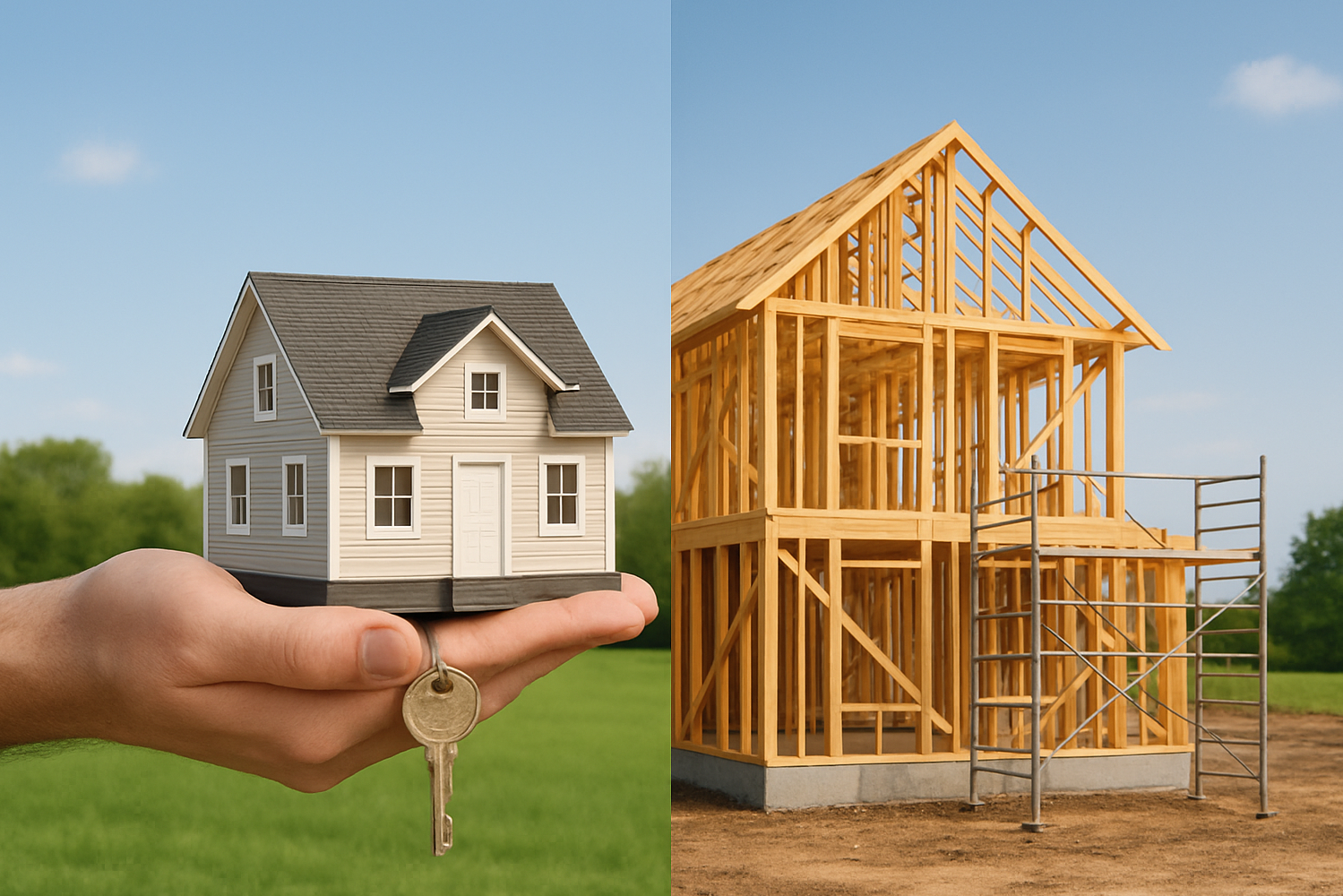
Building a home or financing a large-scale construction project requires a very different type of funding than buying an existing property. This is where construction loans come into play. These specialized financing solutions are designed to support projects from the ground up, providing flexibility, staged funding, and tailored repayment structures that align with the construction process.
In this comprehensive guide, we’ll explore how construction loans work, their benefits, types, requirements, and how to choose the right lender for your needs.
What Are Construction Loans?
Construction loans are short-term, high-interest loans used to finance the building or renovation of a property. Unlike traditional mortgages that provide a lump sum upfront, these loans release funds in stages—often referred to as “draws”—as construction milestones are completed.
This structure ensures that funds are used efficiently and that lenders maintain oversight of the project’s progress.
How Construction Loans Work
The process behind construction loans is unique compared to standard home financing:
• The borrower submits detailed building plans, budgets, and timelines
• The lender evaluates the feasibility of the project
• Funds are released in phases based on construction progress
• Interest is typically paid only on the amount drawn
• Once construction is complete, the loan is either repaid or converted into a traditional mortgage
This staged approach minimizes risk for both the borrower and the lender while ensuring accountability throughout the project.
Types of Construction Loans
There are several types of construction loans, each tailored to different needs:
Construction-to-Permanent Loans
These loans convert into a traditional mortgage once construction is complete. They are ideal for borrowers who want a seamless transition from building to long-term financing.
Stand-Alone Construction Loans
These are short-term loans that must be paid off or refinanced into a mortgage after construction ends. They offer flexibility but may involve additional closing costs.
Owner-Builder Loans
Designed for individuals who plan to act as their own contractor, these construction loans often require proof of experience and strong financial credentials.
Renovation Construction Loans
Used for remodeling or major upgrades, these loans combine the cost of purchase and renovation into a single financing solution.
Key Benefits of Construction Loans
Choosing construction loans offers several advantages:
• Flexible funding aligned with project milestones
• Interest payments only on funds used
• Customization for unique building projects
• Potential for higher property value upon completion
• Greater control over design and materials
For many borrowers, these benefits outweigh the complexities associated with construction financing.
Requirements for Construction Loans
Qualifying for construction loans can be more demanding than traditional mortgages. Lenders typically look for:
• Strong credit score (often 680 or higher)
• Detailed construction plans and timelines
• Licensed builder or contractor agreement
• Solid down payment (usually 20%–30%)
• Proof of income and financial stability
Because of the higher risk involved, lenders require thorough documentation and careful planning.
Understanding the Draw Schedule
A key feature of construction loans is the draw schedule. This outlines when and how funds are released during the project.
Typical stages include:
• Land purchase or site preparation
• Foundation completion
• Framing and structural work
• Interior and exterior finishing
• Final inspection and completion
Each stage must be verified before funds are released, ensuring the project stays on track.
Interest Rates and Costs
Interest rates for construction loans are generally higher than traditional mortgages due to the increased risk. However, borrowers benefit from paying interest only on the funds used rather than the full loan amount.
Additional costs may include:
• Inspection fees
• Permit and administrative costs
• Closing fees
• Contingency reserves
Understanding these costs upfront helps prevent unexpected financial strain during construction.
Choosing the Right Lender
Selecting the right lender is critical when applying for construction loans. Experienced lenders understand the complexities of construction financing and can guide borrowers through every stage of the process.
A trusted provider like California Construction Loans offers tailored solutions, ensuring that each project receives the right financial structure and support. Working with a specialized lender can significantly improve the chances of a smooth and successful construction journey.
Common Mistakes to Avoid
When dealing with construction loans, avoiding common pitfalls is essential:
• Underestimating project costs
• Choosing inexperienced contractors
• Ignoring contingency planning
• Failing to understand loan terms
• Delays due to poor project management
Proper preparation and expert guidance can help mitigate these risks.
Is a Construction Loan Right for You?
Construction loans are ideal for individuals and developers who want to build custom properties rather than purchase existing ones. They provide flexibility and control but require careful planning and financial discipline.
If you have a clear vision, a reliable contractor, and a solid financial foundation, this type of loan can be a powerful tool to bring your project to life.
Final Thoughts
Navigating the world of construction loans may seem complex, but with the right knowledge and support, it becomes a manageable and rewarding process. These loans empower borrowers to create tailored spaces that meet their exact needs while maintaining financial structure and oversight.
Whether you’re building a dream home or investing in a new development, understanding how construction loans work is the first step toward turning your vision into reality.
