
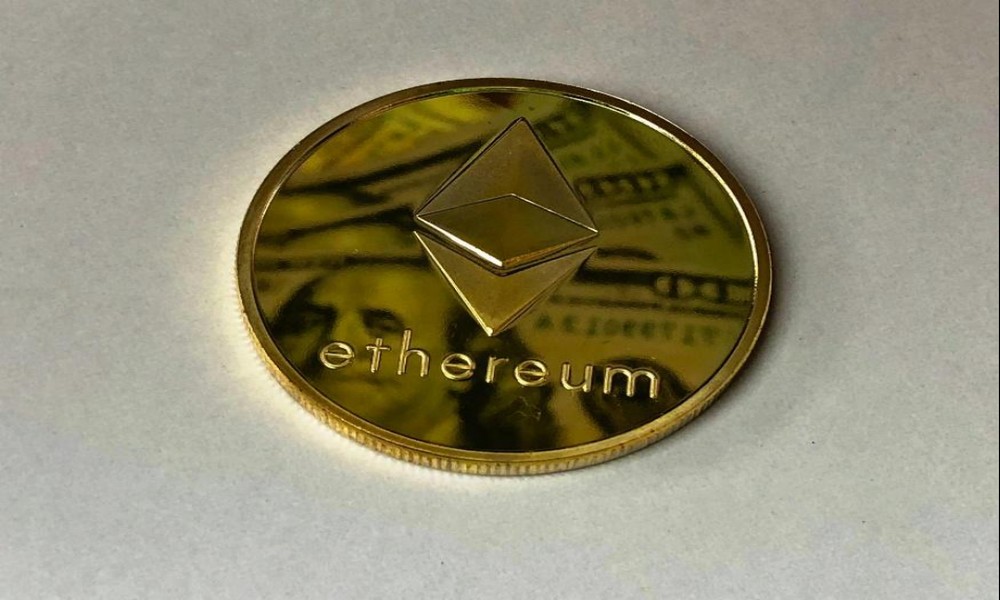
As decentralized finance (DeFi) expands, so does the demand for more seamless interaction across blockchain networks. Traditionally, each blockchain has operated as an isolated ecosystem, creating challenges for liquidity, asset exchange, and user accessibility. Cross-chain interoperability – the ability for different blockchain networks to communicate and interact – is emerging as a solution to these challenges, laying the foundation for a multi-chain DeFi ecosystem.
Why Cross-Chain Interoperability Matters in DeFi
DeFi’s growth has been exponential, but its reliance on isolated blockchains like Ethereum and Binance Smart Chain has resulted in a fragmented ecosystem. This fragmentation poses issues for users who want to trade assets across chains, as well as for developers seeking to leverage features of multiple blockchains in their applications. Cross-chain interoperability aims to address these issues by allowing assets and data to move freely across chains. This capability would help create a multi-chain DeFi ecosystem, allowing users to diversify their investments and access better yield opportunities.
For example, a consultancy for DeFi finance investments can guide institutional clients on how cross-chain platforms may enhance their strategies. The development of interoperability in DeFi may also reduce fees and transaction times, leading to a more user-friendly experience.
Key Technologies Enabling Cross-Chain Interoperability
Blockchain Bridges
Blockchain bridges allow assets to move from one blockchain to another. For instance, a token from the Ethereum blockchain can be “wrapped” and used on the Binance Smart Chain, preserving its value while making it compatible with a new network. Bridges like Chainlink and Polkadot facilitate these interactions, enabling users to interact with multiple DeFi ecosystems from a single platform.
A blockchain asset investments consultant can assist in identifying opportunities for leveraging these bridges, helping clients navigate the advantages and risks of multi-chain investments.
Atomic Swaps
Atomic swaps enable peer-to-peer token exchanges between different blockchains without the need for intermediaries. They allow for fast, secure asset exchanges, opening up new possibilities for users who wish to diversify across chains. Projects like Thorchain are pioneering this technology, which could streamline the user experience in the DeFi ecosystem.
Interoperable Protocols and Layer 2 Solutions
Protocols like Cosmos and Polkadot are designed with interoperability as a core feature, enabling a more interconnected DeFi landscape. These protocols facilitate communication and transactions between different blockchains. By creating a “network of networks,” they support decentralized applications (dApps) that can leverage multiple blockchains, driving innovation and expanding investment options.
Oracle Networks
Oracles act as data bridges between blockchains and real-world information. For example, Chainlink’s oracle network supports cross-chain interoperability by providing external data to multiple blockchains, making it essential for DeFi applications that rely on real-world data. The development of secure, reliable oracles is critical for a multi-chain DeFi ecosystem.
The Role of Cross-Chain Interoperability in DeFi’s Future
1. Enhanced Liquidity
Cross-chain interoperability enables liquidity to flow freely across blockchain networks. For example, if a user wants to access yield farming opportunities on multiple chains, they can move their assets seamlessly rather than holding separate assets on each chain. A digital asset management consultant or digital assets consulting firm can help manage these cross-chain assets, optimizing liquidity to capture the best yield opportunities.
Additionally, multi-chain liquidity pools allow users to leverage multiple blockchain ecosystems, opening up new sources of liquidity. This ease of movement can attract more participants to DeFi platforms, boosting liquidity and reducing market fragmentation.
2. Improved User Experience
The ability to move assets and data across chains streamlines the DeFi experience. Currently, users need to navigate complex processes, wallets, and exchanges to move assets across networks. With interoperability, users can trade, lend, and borrow assets across multiple chains without friction. A cryptocurrency investment consultant or crypto investment company can support users in selecting platforms that make the process more straightforward.
Regulatory Implications for Cross-Chain DeFi
The evolution of a multi-chain DeFi ecosystem also brings regulatory challenges. Each blockchain operates under a different framework, and cross-chain transactions may complicate compliance further. This is where digital asset consulting for compliance plays a key role, helping firms navigate the regulatory landscape and ensuring that transactions remain transparent and secure.
For example, DeFi finance consulting services can provide guidance on how institutions can comply with Know Your Customer (KYC) and Anti-Money Laundering (AML) requirements in a cross-chain environment. As regulators pay more attention to DeFi, global digital asset consulting firms are likely to play an essential role in establishing compliant frameworks.

Investment Opportunities in a Multi-Chain DeFi Ecosystem
The potential for enhanced liquidity, yield farming, and cross-chain lending protocols has made cross-chain DeFi an attractive opportunity for investors. Digital asset portfolio management and cryptocurrency investment solutions will need to adapt to multi-chain strategies, offering clients more diversified portfolios across various blockchain networks.
RWA tokenization investment consultants are also seeing new opportunities, as tokenized real-world assets (RWAs) can be moved across chains, increasing their accessibility and liquidity. This opens up a wealth of investment opportunities in sectors such as real estate and commodities, which are now accessible through DeFi platforms.
A digital asset management company or hedge fund investment companies specializing in cross-chain DeFi investments can help institutional investors create portfolios that capture the benefits of interoperability, while also managing the risks associated with investing in a rapidly evolving market.
Challenges Facing Cross-Chain Interoperability
While the benefits of cross-chain interoperability are significant, there are also challenges to consider.
Security Risks
Cross-chain technology introduces additional security risks, such as bridge vulnerabilities, which can expose assets to hacking. Security tokens investment consultants can provide risk assessments, guiding investors toward platforms that prioritize security. As the technology matures, security solutions are expected to evolve, but investors should remain cautious and informed.
Scalability Issues
Cross-chain platforms need to support high transaction volumes to meet the demands of a multi-chain ecosystem. This has prompted the development of Layer 2 solutions, which aim to boost scalability. However, scalability remains an ongoing challenge, and digital asset investment solutions are focused on finding ways to manage it.
Regulatory Uncertainty
Cross-chain interoperability may complicate regulatory compliance, as transactions span multiple jurisdictions. Blockchain and digital asset consulting firms are increasingly working with regulatory bodies to establish guidelines that support cross-chain transactions while ensuring regulatory compliance. In this evolving landscape, it’s essential to seek advice from real world asset consultants who specialize in compliance for cross-chain transactions.
The Road Ahead: A Fully Interoperable DeFi Ecosystem
As cross-chain interoperability advances, the DeFi landscape will continue to evolve into a more interconnected ecosystem. Multi-chain DeFi holds the promise of a unified, accessible financial system that offers users greater flexibility and options. With robust technological advancements and strategic guidance from DeFi finance consulting services and blockchain asset consulting firms, both individual and institutional investors can position themselves to benefit from this trend.
By embracing cross-chain interoperability, DeFi could become the gateway to a decentralized financial system that is open to everyone, regardless of their choice of blockchain network.
Empower Your Financial Knowledge with Kenson Investments
Ready to make informed investment decisions? Kenson Investments focuses on educating you about the world of finance, providing clear insights and guidance without pushing strategies or products. Discover how knowledge can be your most valuable asset-learn with Kenson Investments today!
About the Author
An expert in decentralized finance and blockchain technology, the author specializes in exploring transformative trends in the DeFi landscape. With a focus on emerging innovations like cross-chain interoperability, they are passionate about demystifying complex concepts and making blockchain advancements accessible to a broader audience. Their work includes insights on multi-chain ecosystems and strategies to enhance liquidity, compliance, and user experience in the evolving world of DeFi. Through deep research and practical analysis, the author aims to bridge the gap between traditional finance and digital assets, helping readers stay ahead in the rapidly changing crypto space.
Disclaimer: The information provided on this page is for educational and informational purposes only and should not be construed as financial advice. Crypto currency assets involve inherent risks, and past performance is not indicative of future results. Always conduct thorough research and consult with a qualified financial advisor before making investment decisions.
“The crypto currency and digital asset space is an emerging asset class that has not yet been regulated by the SEC and US Federal Government. None of the information provided by Kenson LLC should be considered as financial investment advice. Please consult your Registered Financial Advisor for guidance. Kenson LLC does not offer any products regulated by the SEC including, equities, registered securities, ETFs, stocks, bonds, or equivalents”

Comments are closed.