

When you’re buying property, the seller has an obligation to you to provide you with their rights to the property, but how do you know that they have legitimate rights to give?
The Title Extends Beyond the Deed
The title to real estate is more than just the deed. Title represents the entire history of who owned the property and any other issues that have arisen with the property and been recorded, like liens against the property or restrictions on how it can be used. Just because you receive a validly executed and delivered deed does not necessarily mean that someone else couldn’t show up one day and claim an interest.
Why Does a Search Matter Before Closing?
That’s one of the reasons for the title search that typically takes place before closing. A professional will search the public records looking for information that might raise red flags, including:
- Liens: from contractors or judgments against the prior owner;
- Title issues: like unreleased mortgages, incorrect legal descriptions, spelling errors in names, missing signatures, and unknown heirs of a previous owner;
- Encumbrances or other matters: like easements and tax delinquencies; and
- Restrictions on use.
Some items may be curable before closing. Some items will require additional review and research, requests for documentation, and/or negotiations. It is much better to surface those items before closing and spend the time to resolve them while everyone is readily available than to close on the property and inherit a problem.
For example, it is better to cure an old unreleased mortgage now than have it cast a shadow over the property years in the future, possibly when you’re ready to sell. Similarly, it is better to clear up a confusing legal description now, before the neighbors change or people’s memories fade, than in the future when a boundary issue may arise.
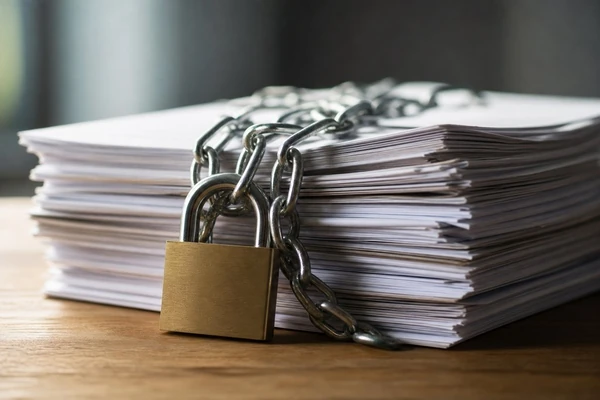
Title insurance protects you after closing from issues that existed before you took title. It is not like homeowners insurance that protects you from unforeseeable events that could happen in the future. A diligent search of the public land records will surface most issues, but there are still some issues that can go unnoticed, like a forged deed, discussed at www.britannica.com/topic/forgery-law, unknown heirs, recording errors, documents recorded in the wrong county.
If a covered issue comes to light down the road, the insurance provides a source of payment for specified losses that may arise as a result and can even cover attorney fees to defend against the claim.
Title insurance is an important part of protecting your interest in real property and insuring that you are actually receiving what you think you are receiving.
Owner’s Coverage and Lender’s Coverage Are Different
If you have a mortgage, the lender will require its own title insurance policy. Be aware that the lender’s policy insures only the lender for up to the amount of the mortgage, and their interest will decrease as you pay down your loan. The cost of title insurance is not linear with the amount of coverage. It makes sense to also purchase the owner’s policy which insures your interest.
Typically, an owner’s policy remains in effect as long as you or your heirs have an interest in the property. Even if you are paying all cash and won’t have a lender’s requirement of title insurance, there is still value in making sure that your rights to the property are clear and insurable.
While Pennsylvania title insurance premiums are typically set according to filed rates, there are discounts available for eligible buyers. If a prior owner has purchased a policy, you might get a discounted reissue rate. Ask as soon as possible if the prior policy can be found; how much you save may depend on its age and extent of coverage.
Questions Worth Raising Before You Sign
You can help make sure that you understand what title insurance is giving you by asking questions. Before closing, you should review the commitment, or draft an insurance policy, and raise any questions or concerns, including:
- Are there any liens, judgments, tax delinquencies, easements or other issues encumbering the property? What restrictions are there on use? Are there any issues with the boundaries of the property?
- What exceptions are being made from the coverage? Exceptions identify matters recorded or known to the insurer, or apparent upon inspection of the property, that won’t be insured. Make sure you understand those items and what they mean.
- For any curable items, will the seller provide evidence at or before closing that those items are released/cured?
Be wary if you feel pressured to waive any concerns or close without curing issues. If it takes a few extra days to make sure that everyone walks away happy and that you understand exactly what you’re buying, it is time well-spent. Save your policy in a safe place with your deed, closing settlement statement and other important property documents so that if you have a question year down the road, you’ll be able to reach out with a copy in hand.

Comments are closed.